Preparing for laser hair removal starts with protecting your skin from sun exposure, shaving the treatment area before your appointment, and avoiding irritating skincare products. Proper aftercare, including sunscreen, hydration, and gentle skincare, helps reduce irritation and supports safe, effective, long-term hair reduction.
Why proper skin preparation matters
Smooth, healthy skin doesn’t happen by accident, especially when you’re investing in advanced hair removal treatments. While laser technology offers impressive results, your skin’s condition before and after treatment plays a major role in comfort and effectiveness.
Without proper preparation, skin becomes more vulnerable to irritation, sensitivity, and uneven results. Sun exposure, harsh skincare products, or incorrect hair removal methods can interfere with treatment and slow progress toward long-term hair reduction.
In this guide, you’ll learn how to prepare your skin before treatment properly, care for it afterward, and avoid common mistakes that reduce the effectiveness of laser hair removal. Keep reading to learn more.
What is hair removal?
Hair removal is a cosmetic treatment that uses concentrated light energy to target hair follicles and damage them, reducing future hair growth. Over multiple sessions, this process creates smoother skin and supports gradual, long-term hair reduction.
Unlike shaving or waxing, advanced laser hair removal targets the follicle beneath the skin without damaging surrounding tissue. This makes it a highly effective option for reducing unwanted hair on the face, legs, underarms, bikini area, chest, and back.
Expert insight: Most patients require multiple treatments because hair grows in cycles. Laser treatments work best during the active growth phase, which is why consistency is key to achieving optimal long-term hair reduction.
How hair removal works
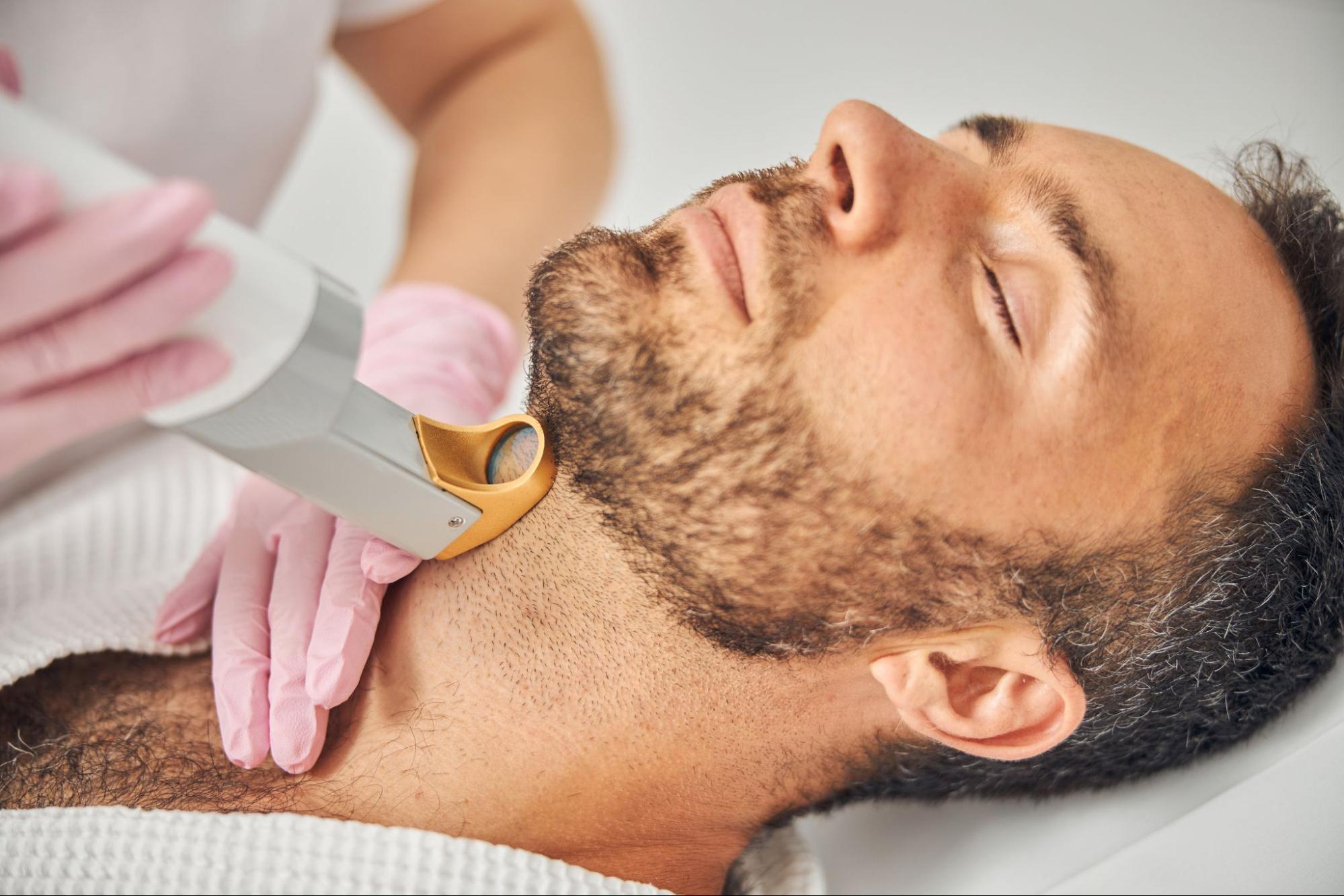
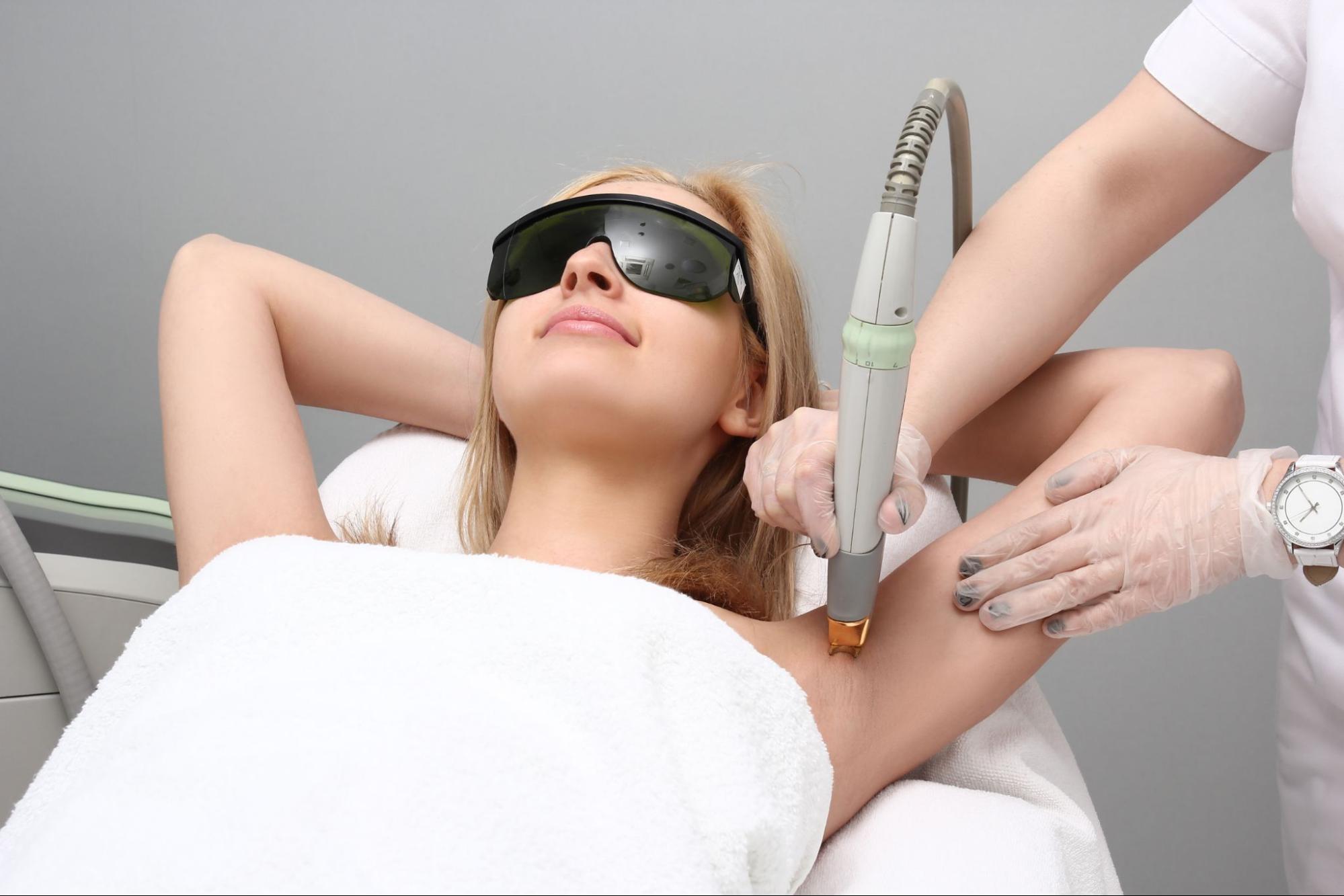
During treatment, the laser emits concentrated light that the pigment in the hair follicle absorbs. The heat damages the follicle, slows future growth, and leaves the surrounding skin largely unaffected.
Hair removal helps reduce:
- Ingrown hairs
- Razor burn
- Frequent shaving irritation
- Thick or coarse hair growth
- Uneven skin texture caused by repeated hair removal
With consistent sessions and proper care, many patients experience noticeable, long-term hair reduction.

Step-by-step guide to preparing your skin
1. Avoid sun exposure
Stay out of direct sunlight and tanning beds for at least two weeks before treatment. Tanned or sunburned skin becomes more sensitive during hair removal, increasing the risk of irritation or pigmentation changes.
2. Shave the treatment area
Shave the area 24 hours before your appointment. Shaving leaves the follicle intact beneath the skin while removing surface hair that could interfere with the laser.
Avoid waxing, tweezing, sugaring, and threading before treatment, as these methods remove the follicle that the laser needs to target.
3. Pause harsh skincare products
Avoid retinoids, exfoliating acids, benzoyl peroxide, and aggressive scrubs for several days before treatment. Gentle skincare helps your skin tolerate advanced laser hair removal more comfortably.
4. Arrive with clean skin
Skip lotions, deodorants, oils, perfumes, self-tanner, and makeup on the treatment area the day of your appointment.
5. Stay hydrated
Well-hydrated skin tends to respond better to treatment and recover more efficiently afterward.
Post-treatment skincare and recovery
Proper aftercare protects your skin and improves results.
1. Soothe the skin
Mild redness or warmth is common for the first 24–48 hours. Aloe vera or a fragrance-free moisturizer helps calm irritation.
2. Avoid excessive heat
For the first two days after treatment, avoid hot showers, steam rooms, saunas, and intense workouts. Heat and sweating may increase sensitivity after advanced hair removal sessions.
3. Wear sunscreen daily
Treated skin becomes more sensitive to UV rays. Apply SPF 30 or higher consistently to prevent irritation and pigmentation issues.
4. Avoid aggressive exfoliation
Hair shedding is normal after treatment. Let the process run its course rather than scrubbing or picking at the skin.
5. Pause strong skincare products
Avoid exfoliants and active ingredients until the skin fully calms and recovers.
Why preparation and aftercare matter
Proper preparation and aftercare improve safety and results. Benefits include:
- Reduced skin irritation and redness
- Lower risk of pigmentation changes
- Better laser targeting and effectiveness
- Smoother recovery between treatments
- Faster progress toward long-term hair reduction
- Improved comfort during sessions
Patients who follow skincare recommendations often experience more consistent results and healthier-looking skin throughout treatment.
Common mistakes to avoid
- Skipping sunscreen: UV exposure increases skin sensitivity and increases the risk of complications before and after treatment.
- Waxing before treatment: Waxing removes the follicle needed for effective hair removal.
- Using harsh skincare products: Strong exfoliants and retinoids may increase irritation during treatment.
- Ignoring aftercare instructions: Heat exposure, excessive sweating, and aggressive scrubbing slow recovery.
- Expecting instant results: Long-term hair reduction requires multiple sessions and consistent maintenance.
Key statistics
- Most patients require six to eight sessions for optimal long-term hair reduction
- Laser treatments significantly reduce ingrown hairs compared to shaving or waxing
- Modern advanced hair removal systems improve treatment speed and comfort
- Consistent sunscreen use reduces the risk of post-treatment pigmentation changes
Recommended skincare products before and after treatment
- Fragrance-free moisturizers
- Aloe vera gel
- SPF 30+ sunscreen
- Gentle cleansers
- Hydrating serums
Avoid harsh exfoliants and active ingredients immediately before or after hair removal sessions.
FAQ
How to prep your skin before hair removal?
Before hair removal, avoid sun exposure, tanning, waxing, and tweezing for at least two weeks. Shave the treatment area 24 hours before your appointment, and stop using harsh skincare products several days beforehand. Arrive with clean, product-free skin.
Can I do hair removal while using glycolic acid?
Most providers recommend pausing glycolic acid products for several days before and after treatment to reduce irritation and protect the skin barrier.
How long should I stay out of the sun beforehand?
Avoid direct sun exposure and tanning for at least two weeks before treatment. Sunburned or recently tanned skin increases sensitivity and the risk of complications.
Can I shave between hair removal sessions?
Yes. Shaving is encouraged between treatments because it preserves the follicle while safely removing surface hair.
How long does redness last after treatment?
Mild redness usually fades within several hours to two days after advanced laser hair removal treatment.
Does laser hair removal provide permanent results?
Most patients see significant, long-term hair reduction, though they may need occasional maintenance treatments over time.
Can I work out after treatment?
Avoid intense exercise, sweating, and heat exposure for 24–48 hours after treatment to reduce irritation. After that, you can resume working out.
Can I wear makeup after laser hair removal?
It’s best to avoid makeup on treated areas for at least 24 hours afterward, especially if your skin feels sensitive or irritated. Giving your skin time to calm helps reduce the risk of clogged pores and irritation.
Why do I need multiple laser hair removal sessions?
Hair grows in different cycles, and laser hair removal works best during the active growth phase. Multiple treatments help target more follicles over time for better, more consistent long-term hair reduction results.
Does laser hair removal hurt?
Most people describe advanced laser hair removal as a mild snapping or warming sensation. Modern laser systems include cooling technology that improves comfort and reduces skin irritation during treatment.
Can laser hair removal help with ingrown hairs?
Yes. Hair removal reduces hair growth at the follicle level, helping reduce ingrown hairs, razor bumps, and irritation from shaving or waxing.
Utah climate considerations
Utah’s dry climate and intense sun exposure make sunscreen especially important after hair removal treatments. Patients in Utah County often experience increased skin sensitivity during the summer months, making proper hydration and UV protection essential for safe healing and consistent results.
Protect your skin and maximize your results with iVee Restorative Care
Proper preparation and aftercare make a major difference in the safety, comfort, and effectiveness of hair removal treatments. By protecting your skin before appointments and following recovery guidelines carefully, you help your body heal properly and support better long-term hair reduction results.
At iVee Restorative Care, we provide personalized treatment plans and advanced laser hair removal solutions to help you achieve smoother skin safely and confidently.
Ready to start your hair removal journey? Schedule your consultation with iVee Restorative Care today and learn how professional care and expert guidance can help you achieve lasting results.